Everything You Need to Know About Wool Rugs Before You Buy
Last updated on August 11th, 2026
Wool has been used in rug making for centuries because it’s durable, naturally resilient, stain resistant, and exceptionally comfortable underfoot. Yet many shoppers hesitate because they’ve heard concerns about shedding, cleaning, pets, or cost.
If you’re considering wool rugs, you’re probably asking the same questions we hear every day: Do they shed? Are they hard to clean? Are they worth the extra cost? The short answer is yes, wool rugs are one of the best long-term rug investments you can make. Natural wool fibers are durable, resilient, naturally stain-resistant, and can last decades when properly cared for. Still, there are a few realities every buyer should know before adding one to their cart.
After almost 50 years in the rug business, we’ve heard every concern. Here’s the honest truth.
Do wool rugs shed?
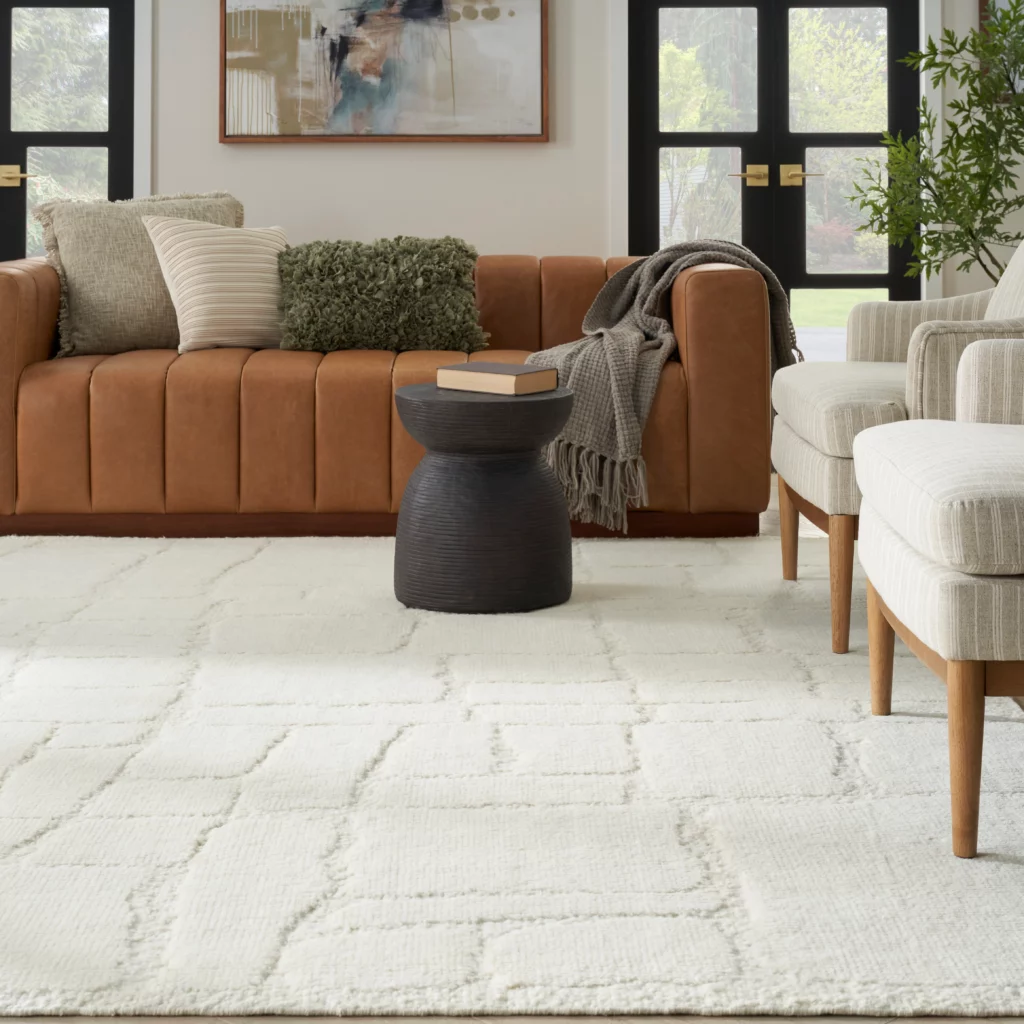
Yes. New wool rugs shed. That’s not a defect. It’s simply part of how natural wool fibers behave, particularly in hand-tufted and hand-finished constructions.
During manufacturing, short fibers remain trapped within the pile. As the rug settles into your home, those loose fibers work their way to the surface. Most shedding occurs during the first few months and gradually decreases with regular vacuuming.
The amount of shedding depends on construction:
- Hand-tufted wool rugs typically shed the most initially.
- Hand-knotted wool rugs shed significantly less because each knot is individually secured.
- Low-pile wool rugs generally shed less than plush, high-pile designs.
Regular vacuuming without a beater bar helps remove loose fibers without damaging the pile.
Do wool rugs ever stop shedding?
Mostly, yes.
Every wool rug will release a small amount of fiber throughout its life because wool is a natural material. However, the heavy shedding phase should taper off within the first six to 12 months under normal use.
A high-quality hand-knotted wool rug with a dense knot count can remain beautiful for decades with minimal ongoing shedding. Many antique wool rugs over 100 years old still retain remarkable pile integrity because wool fibers are naturally elastic and resilient.
If a rug continues producing excessive fiber after a year, it may indicate lower-quality construction or unusually heavy traffic conditions.
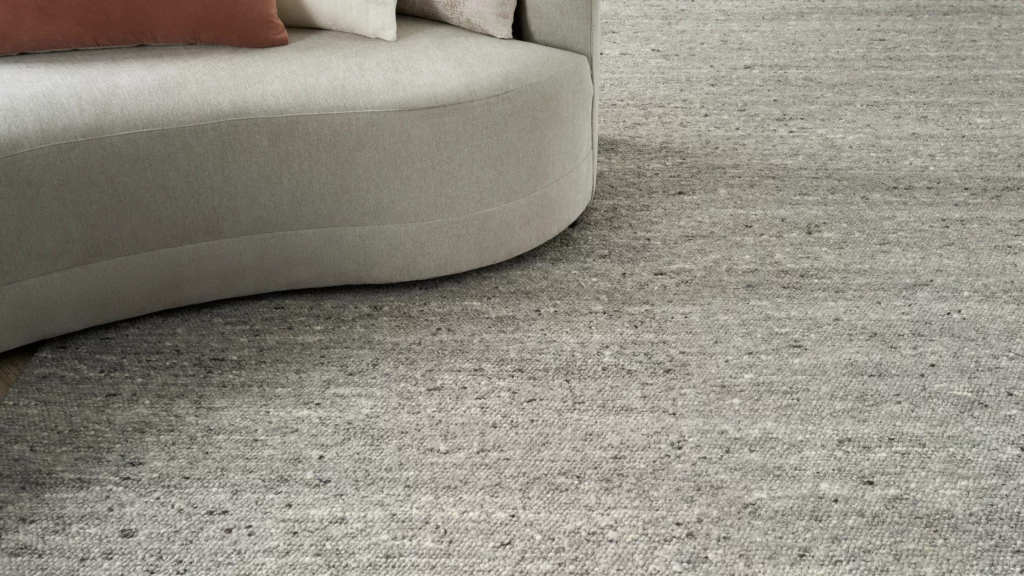
Are wool rugs worth the money?
For many homeowners, absolutely.
Wool is one of the most durable flooring fibers available. Each wool fiber contains a natural crimp that allows it to compress and recover repeatedly under foot traffic. That resilience helps maintain appearance longer than many synthetic alternatives.
A quality wool area rug can often last 20 years or more with proper care. A hand-knotted wool rug may last significantly longer.

You’re also paying for characteristics synthetic fibers struggle to replicate:
- Natural softness
- Excellent insulation
- Sound absorption
- Resistance to crushing
- Natural flame resistance
- Long-term durability
When shoppers compare a wool rug vs synthetic alternative, the synthetic option often wins on initial price. Wool frequently wins on lifespan.
Are wool rugs easy to clean?
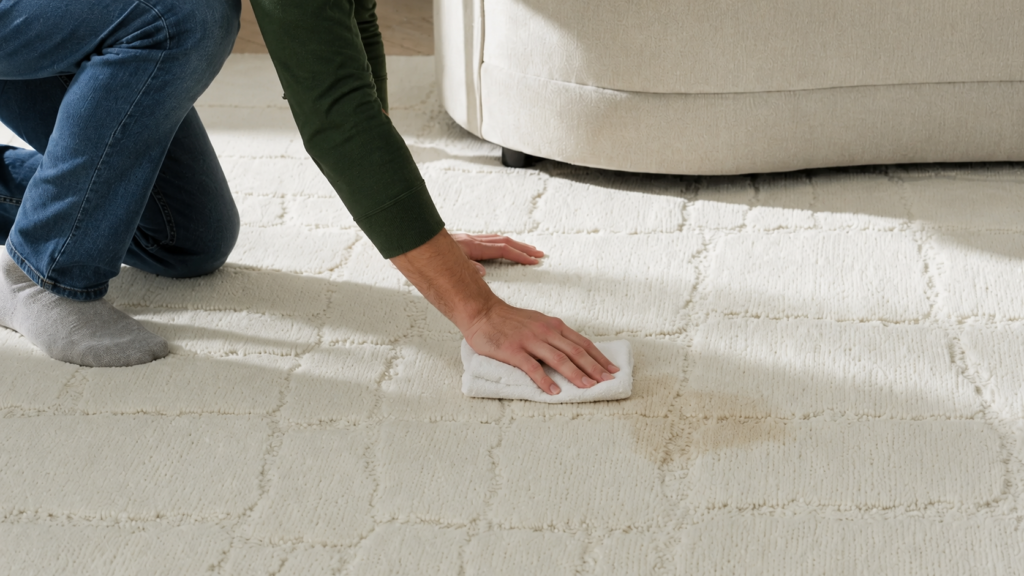
Easier than many people think.
One reason wool has remained the preferred rug fiber for centuries is its natural protective structure. Wool fibers contain lanolin, a naturally occurring wax that helps repel moisture and dirt.
Because of that protective coating, spills often remain closer to the fiber surface rather than immediately penetrating deep into the pile.
For everyday maintenance:
- Vacuum once or twice weekly
- Blot spills immediately
- Avoid excessive moisture
- Schedule professional cleaning every 12 to 18 months in high-traffic areas
Most household spills can be managed successfully if addressed quickly.
Can you vacuum wool rugs?
Yes. In fact, you should.
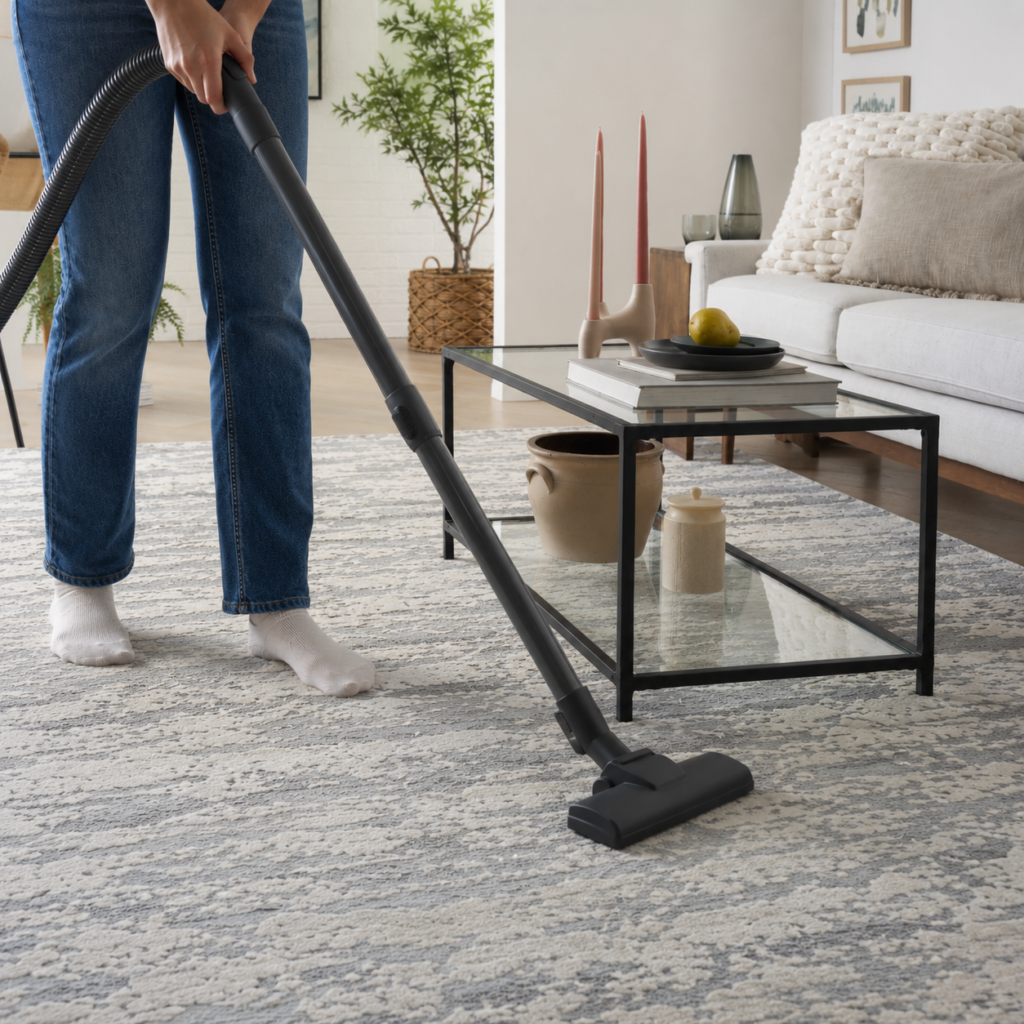
Routine vacuuming is the single best thing you can do for wool rug care.
The key is using the correct vacuum settings. We recommend:
- Suction-only vacuuming when possible
- Turning off the beater bar on delicate rugs
- Vacuuming in the direction of the pile
- Avoiding aggressive brush attachments
Wool naturally attracts fine dust particles due to its microscopic fiber structure. Regular vacuuming prevents dirt from becoming embedded between fibers where it can act like sandpaper over time.
Are wool rugs good for pets?
Generally, yes.
Many pet owners assume natural fibers are too delicate for homes with dogs and cats. The reality is more nuanced.
Wool is naturally durable and resilient. Dense wool rugs can handle everyday pet traffic remarkably well. The fibers bounce back after compression and are less likely to flatten permanently than many synthetic options.
There are a few considerations:
- Pet accidents should be cleaned immediately.
- Loop-pile constructions can attract scratching.
- Light-colored rugs may show stains more readily.
- Dense, patterned rugs tend to hide pet hair better.
For pet households, we often recommend low-pile wool area rug styles with detailed patterns that help camouflage everyday wear.
Are wool rugs itchy?
Not underfoot.
This concern usually comes from experiences with coarse wool sweaters rather than rugs.
Most premium rug wool comes from breeds selected specifically for durability and softness. Rug fibers are processed differently than apparel fibers and are designed to create a comfortable surface for walking, sitting, and everyday living.
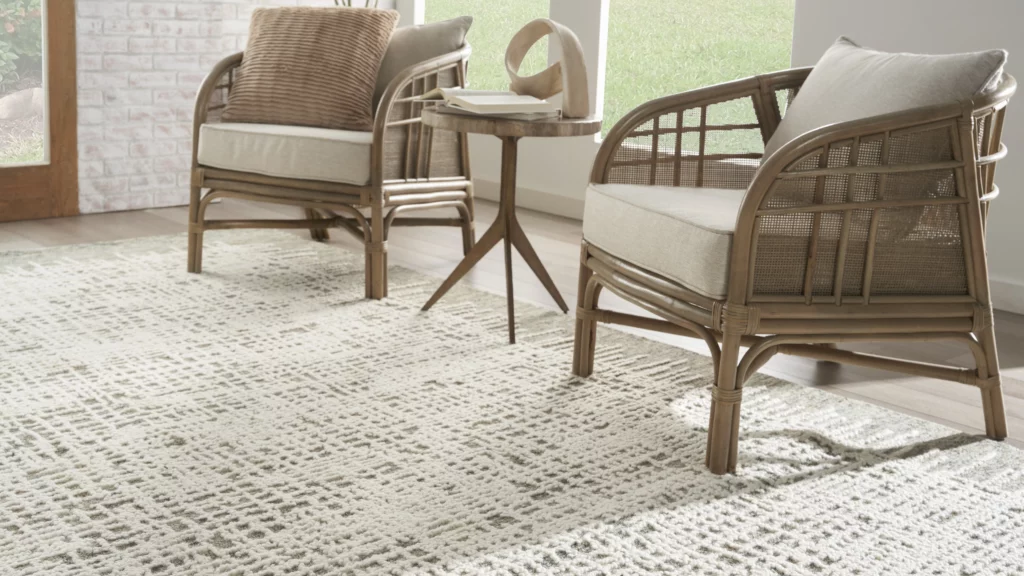
In fact, many people describe quality wool rugs as exceptionally soft because the natural fiber structure creates a cushioned feel underfoot.
The texture varies by construction. New Zealand wool, for example, is prized throughout the rug industry for its softness, strength, and consistent fiber quality.
Are wool rugs soft?
Yes, especially premium wool rugs.
Several factors affect softness:
- Fiber origin
- Yarn thickness
- Pile height
- Construction method
A densely woven hand-knotted wool rug often feels smooth and luxurious, while a chunky braided wool rug may feel more textured and casual.

New Zealand wool and high-quality blended wools are especially sought after for their comfort and durability balance.
Softness is one reason wool remains a favorite choice for bedrooms, family rooms, and spaces where people frequently sit or walk barefoot.
How often should wool rugs be cleaned?
That depends on traffic levels.
As a general rule:
| Area | Professional Cleaning |
| Bedroom | Every 18–24 months |
| Living Room | Every 12–18 months |
| Dining Room | Every 12 months |
| Homes with Pets | Every 6–12 months |
Regular maintenance matters just as much as deep cleaning.
Vacuuming removes abrasive particles before they wear down fibers. Spot cleaning prevents stains from setting. Rotating the rug every six to 12 months helps distribute wear more evenly.
With consistent care, wool rugs can maintain their appearance for decades.
Wool Rug vs Synthetic: Which Is Better?

The answer depends on your priorities.
Choose wool if you value:
- Longevity
- Natural materials
- Comfort underfoot
- Better resilience
- Luxury appearance
- Sustainable fibers
Choose synthetic fibers if you prioritize:
- Lower upfront cost
- Washability
- Outdoor use
- High-moisture environments
For many homeowners furnishing a primary living space, wool remains the benchmark against which other rug materials are measured.
That’s why some of the best wool rugs continue to be hand-crafted using techniques that have remained largely unchanged for generations.
The Bottom Line on Wool Rugs
Most hesitation around wool rugs comes from misconceptions that were true decades ago or were never true at all.
Yes, wool rugs shed initially. Yes, they require basic maintenance. But they are also among the most durable, comfortable, and long-lasting floor coverings available. Natural lanolin helps resist dirt and moisture. The fiber’s crimp allows it to recover from compression. Dense constructions can withstand years of daily use while maintaining their appearance.
For shoppers who want a rug they’ll still love years from now, wool remains one of the smartest choices you can make.
Looking for a wool rug that combines durability, comfort, and timeless style? Explore our collection of wool area rugs, hand-knotted designs, and premium New Zealand wool styles.
FAQ
Q: Do wool rugs shed more than synthetic rugs?
A: Yes. Wool rugs naturally shed during their initial break-in period, especially hand-tufted styles. Shedding typically decreases significantly within six to 12 months.Q: Can you steam clean a wool rug?
A: Professional steam cleaning may be appropriate when performed by specialists experienced with wool fibers. Excessive heat and moisture can damage wool, so professional guidance is recommended.Q: How long does a wool rug last?
A: A quality wool area rug can easily last 20 years or more with proper care. Hand-knotted wool rugs often remain in service for generations.Q: Are wool rugs good for high-traffic areas?
A: Yes. Wool’s natural elasticity helps fibers recover from compression, making it an excellent choice for living rooms, hallways, and family spaces.Q: Do wool rugs stain easily?
A: No. Wool contains natural lanolin that helps resist moisture and dirt. Prompt cleanup of spills greatly improves stain resistance.Q: Do wool rugs smell?
A: New wool rugs may have a mild natural wool scent when first unpacked. This is normal and typically fades within a few days or weeks as the rug airs out.Q: What is the difference between a hand-knotted wool rug and a hand-tufted wool rug?
A: A hand-knotted wool rug is individually tied knot by knot, creating exceptional durability and longevity. Hand-tufted rugs are made using a tufting tool, making them more affordable but generally less durable over the long term.